Greenland: The Frozen Paradise Exploring Nature, Culture, And Opportunities - As we delve into this article, we will uncover the various facets of Greenland, from its geographical significance to its cultural contributions. Whether you're planning a trip or simply curious about this icy paradise, this comprehensive guide will provide you with all the information you need to appreciate the beauty and potential of Greenland. Greenland, the world's largest island not part of a continent, is a land of breathtaking beauty and immense natural resources. From its stunning glaciers to its unique wildlife, Greenland offers an unparalleled experience for adventurers and nature enthusiasts alike. This article dives deep into the wonders of Greenland and why it has become a magnet for travelers seeking untouched natural landscapes.
As we delve into this article, we will uncover the various facets of Greenland, from its geographical significance to its cultural contributions. Whether you're planning a trip or simply curious about this icy paradise, this comprehensive guide will provide you with all the information you need to appreciate the beauty and potential of Greenland.
Traditional activities such as hunting and fishing remain an integral part of Greenlandic life, especially in rural communities. The Inuit language, Kalaallisut, is the official language of Greenland, and efforts are being made to preserve and promote it alongside Danish.
Greenland is a vast island situated in the Arctic region, with an area of approximately 2.166 million square kilometers. It is the largest island in the world that is not part of a continent. The island is bordered by the Arctic Ocean to the north, the Greenland Sea to the east, and the Atlantic Ocean to the south and west.
Greenland is a crucial location for scientific research, particularly in the fields of climate science and glaciology. Researchers from around the world study the Greenland Ice Sheet to better understand global climate patterns and sea level rise. The island also serves as a base for astronomical observations due to its clear skies and minimal light pollution.
Improving infrastructure is a priority for Greenland, as it seeks to enhance connectivity and support economic growth. Investments in transportation, communication, and energy systems are underway to modernize the country's infrastructure. The construction of new airports and roads is expected to boost tourism and facilitate trade.
Greenland's economy is primarily based on fishing, mining, and tourism. The fishing industry is the largest contributor to the country's GDP, with shrimp and halibut being the main exports. Recent discoveries of mineral resources, such as rare earth elements and gold, have sparked interest in mining as a potential growth sector.
Greenland's culture is deeply rooted in its indigenous Inuit population, who have inhabited the island for thousands of years. The Inuit people have developed a rich cultural heritage, including traditional practices, language, and art. Today, Greenland's culture reflects a blend of Inuit traditions and modern influences from Denmark and other parts of the world.
The flora in Greenland is limited due to the harsh climate, but certain hardy plants, such as mosses, lichens, and dwarf shrubs, thrive in the tundra regions. The island's pristine environment makes it an ideal location for nature enthusiasts and researchers studying the effects of climate change on ecosystems.
Renewable energy sources, such as wind and hydroelectric power, are being explored to reduce reliance on fossil fuels and promote sustainability. These developments aim to improve the quality of life for Greenlanders while minimizing environmental impact.
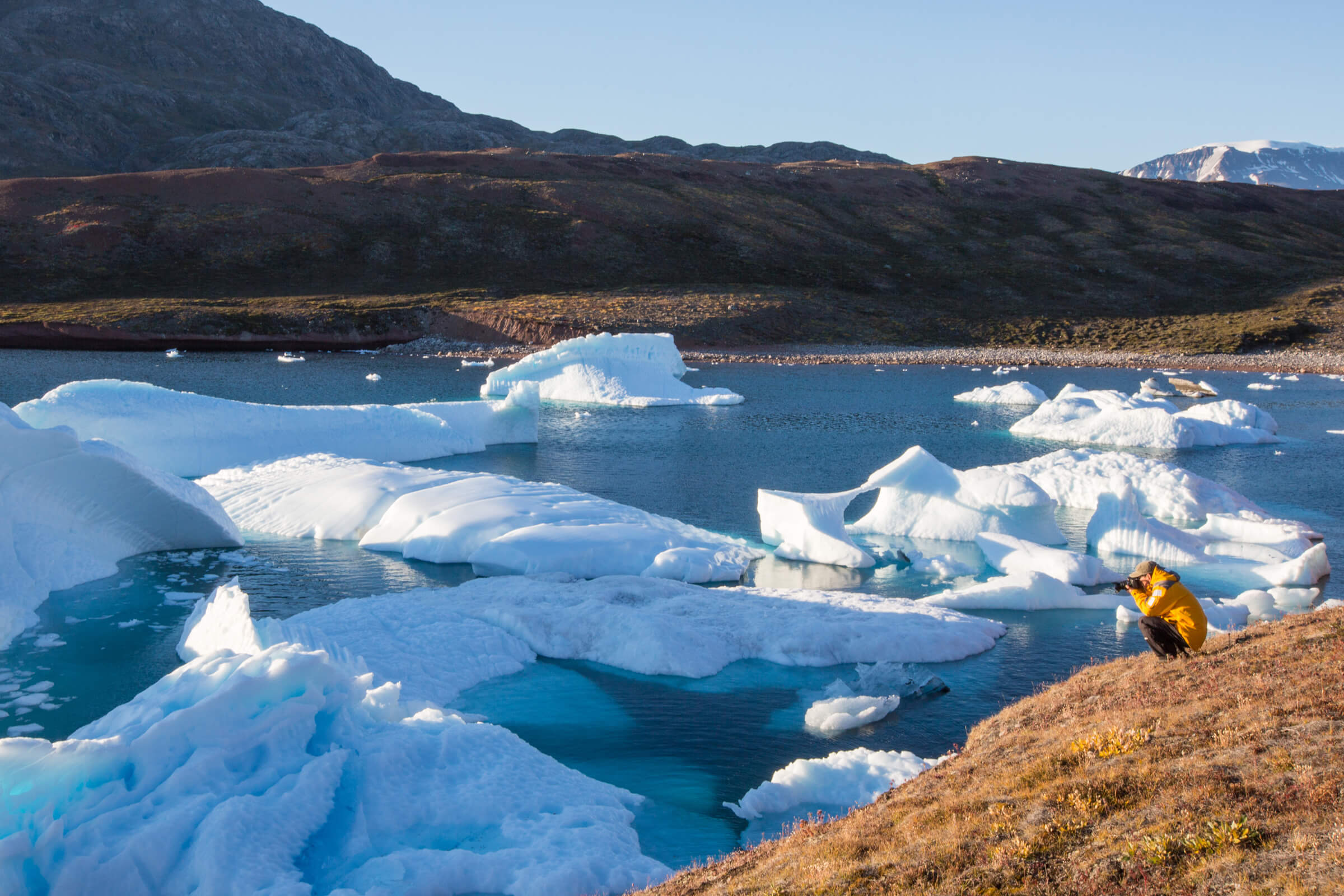
Greenland has become an increasingly popular destination for eco-tourism and adventure travel. Visitors are drawn to its stunning natural landscapes, including glaciers, fjords, and icebergs. Activities such as dog sledding, kayaking, and hiking offer unique opportunities to experience the Arctic environment firsthand.
Greenland faces several environmental challenges, including climate change, pollution, and overfishing. The rapid melting of the Greenland Ice Sheet is a major concern, as it contributes to rising sea levels worldwide. Efforts are being made to mitigate these effects through conservation programs and sustainable development practices.
Greenland's government has implemented policies to protect its natural resources and promote environmentally friendly practices. International cooperation is essential in addressing these challenges and ensuring the long-term sustainability of Greenland's ecosystems.
/179769392-58b9cab13df78c353c374860.jpg)